
Choosing an RFID reader: handheld or fixed gate
The same tag reads differently depending on the reader. Four things to check before you choose, and which job each reader type actually fits.
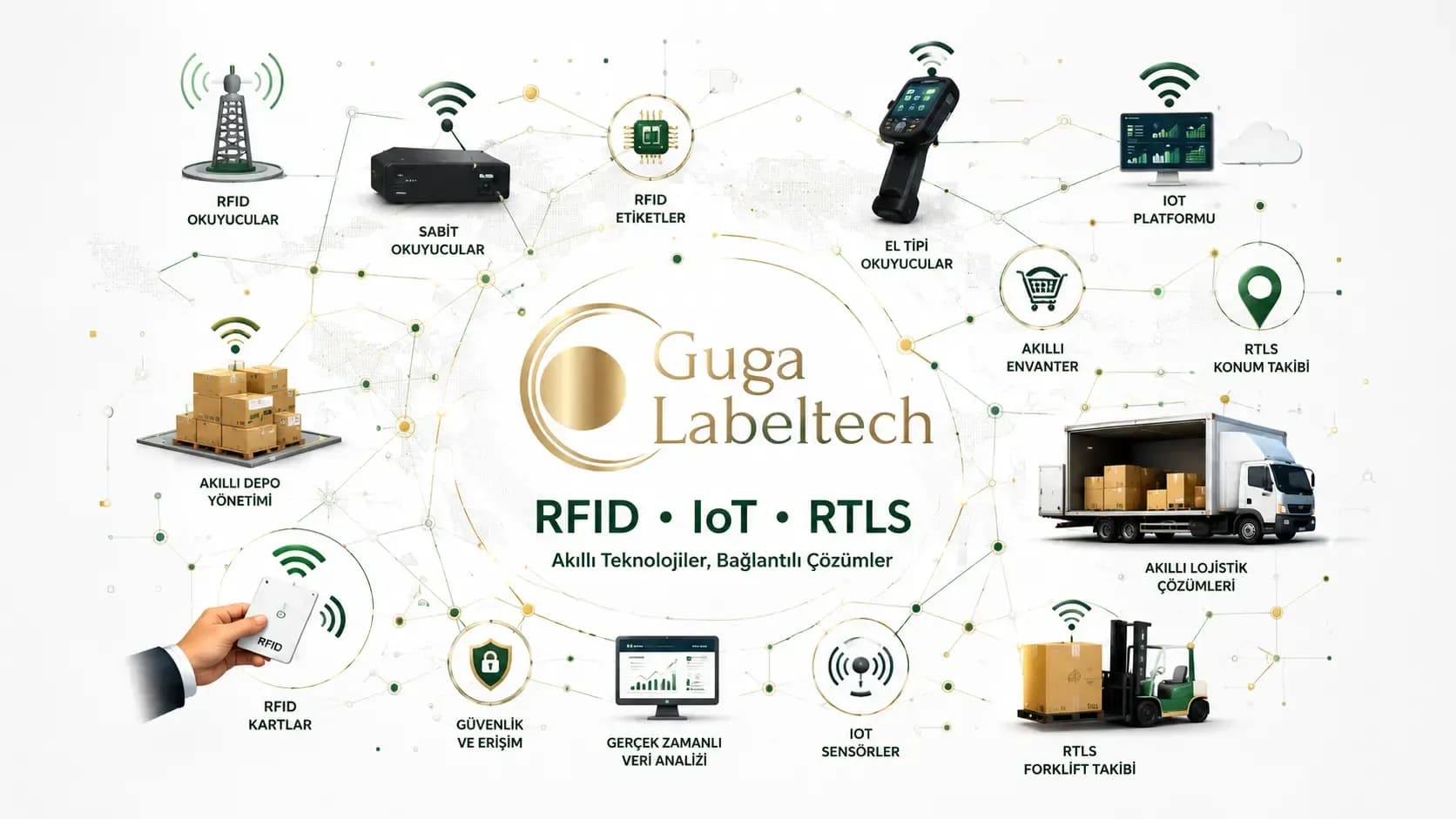
In an RFID project the reader shapes the outcome as much as the tag does. The same tag gives one result with a handheld and a different one with a ceiling-mounted fixed reader. They are built for different jobs, and using one in place of the other is a common mistake.
Handheld: goes where the person goes
A handheld reader is what an operator carries between racks to count. Its range is limited to a few metres, but it is flexible: you decide which shelf level you are scanning.
It fits scheduled counts and spot checks: weekly stock counts in a store, random audits in a warehouse, a display case count in a jewellery shop. Staff training is short, and the hardware costs less than a fixed installation.
Fixed gate reader: logs everything that passes
An antenna mounted at a doorway reads every tag that passes through automatically, with nobody aiming the device. Warehouse inbound and outbound, shipment verification, staff access logging all fall into this setup.
The hard part is the install. Antenna count, angle and power need to be tuned to the doorway width, or a pallet passing along one edge goes unread. Skip the site test at install and the system earns a reputation for "sometimes missing reads".
Desktop reader: the writing and verification job
Small, short-range readers used on a labelling line or a packing table are a third category. Their job is not counting, it is writing a freshly printed tag and verifying it on the spot. Catch a bad tag here and it costs little. Miss it and the cost shows up much later, in the field.
Antenna count and power setting
A fixed reader can drive more than one antenna. Placing one on each side of a doorway is more reliable than a single antenna, because the second one still sees a tag whose orientation changed relative to the first.
Power setting hides its own trap. Turning it up extends read range, but it can also start reading tags on a neighbouring door or on stock sitting nearby that was never meant to be counted. The goal is not the longest possible range, it is a clean read of the intended zone.
How to decide
The question is whether the record should be created by a person acting, or automatically regardless of who is around. The first calls for a handheld, the second for a fixed reader. Most mature installations run both: the fixed reader logs daily movement automatically, and the handheld does a verification count at month end.